LIFESTYLE
27 solar storms in 24 hours: How much damage will this solar catastrophe cause to Earth? Direct impact on flights, satellites, and GPS

Global space agencies are on high alert due to unusual activity near the Sun and powerful solar flares. Several organizations, including ISRO, are warning of a possible radio blackout ...read more
Scientists have observed a strange movement near the Sun, putting space agencies around the world on high alert.
Several agencies, including the Indian Space Research Organisation (ISRO), are keeping a close watch on the situation of possible radio blackout.
These solar flares can impact satellite communications, navigation, and power grids. ISRO officials are continuously monitoring more than 50 active Indian satellites to avoid any adverse consequences.
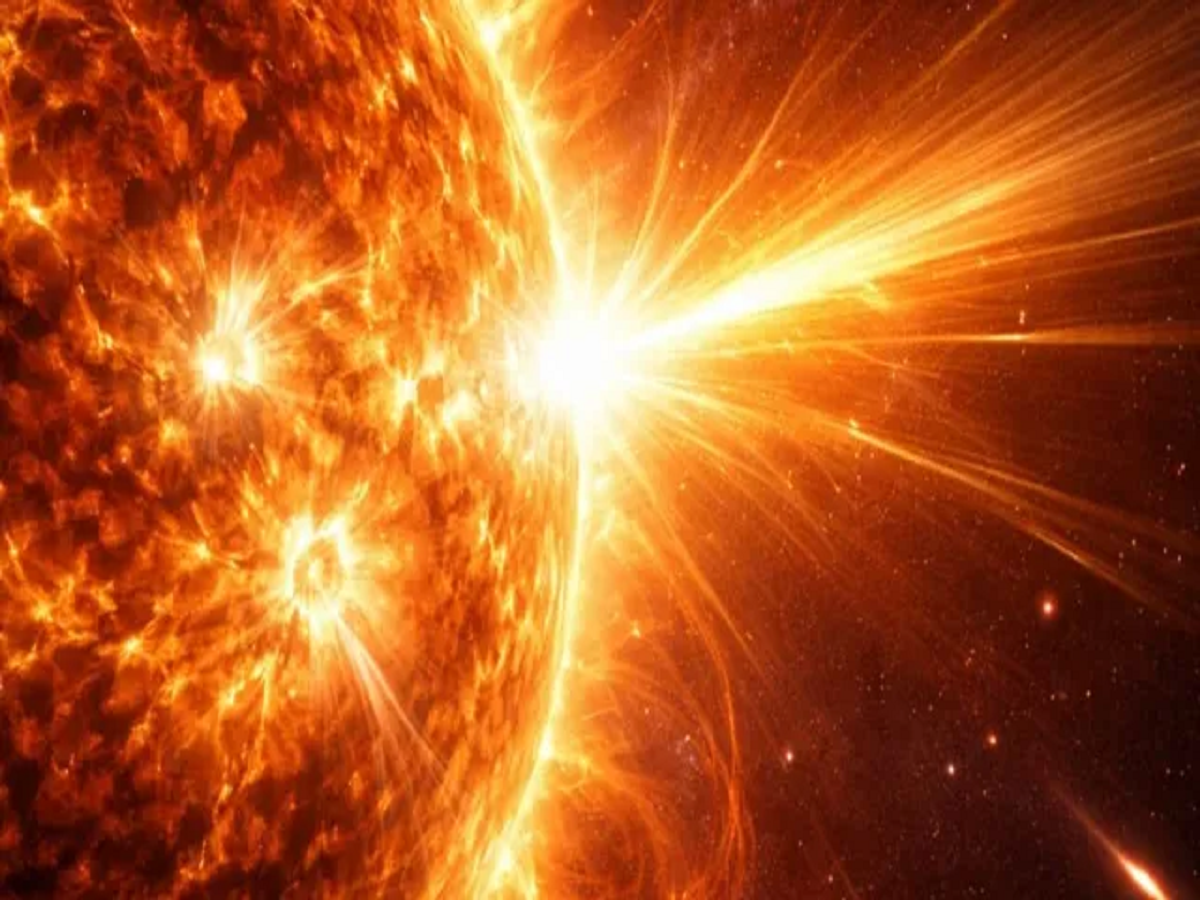
What is the reason for these flares of the Sun?
This activity started due to the sudden activation of a sunspot group named Active Region 14366 on the surface of the Sun.
The region has seen numerous eruptions, including four powerful solar flares. The strongest of these was a class X8.1 flare, the most intense so far in 2026.
NASA confirmed that these flares peaked between February 1 and 2, with the X8.1 flare occurring on February 1.
This event is the strongest since October 2024 and ranks among the 27 most powerful flares recorded since 1996.
NASA's Solar Dynamics Observatory captured these eruptions. The sun goes through a cycle of activity every 11 years, and this storm is part of the solar maximum.
Impact on Earth and India
These powerful flares produce huge bursts of electromagnetic radiation, which reach Earth at the speed of light.
Although these do not cause direct harm to humans on the ground, they severely affect the ionosphere layer of the atmosphere.
This causes blackouts in high-frequency radio communications, disruption of navigation signals, increased radiation on satellites, and poses a threat to flights over polar regions.
Also, aurora activity (colored lights seen in the night sky in polar regions) increases.
Why is this storm being closely monitored?
Scientists say Earth has so far avoided large coronal mass ejections (CMEs) that can trigger geomagnetic storms.
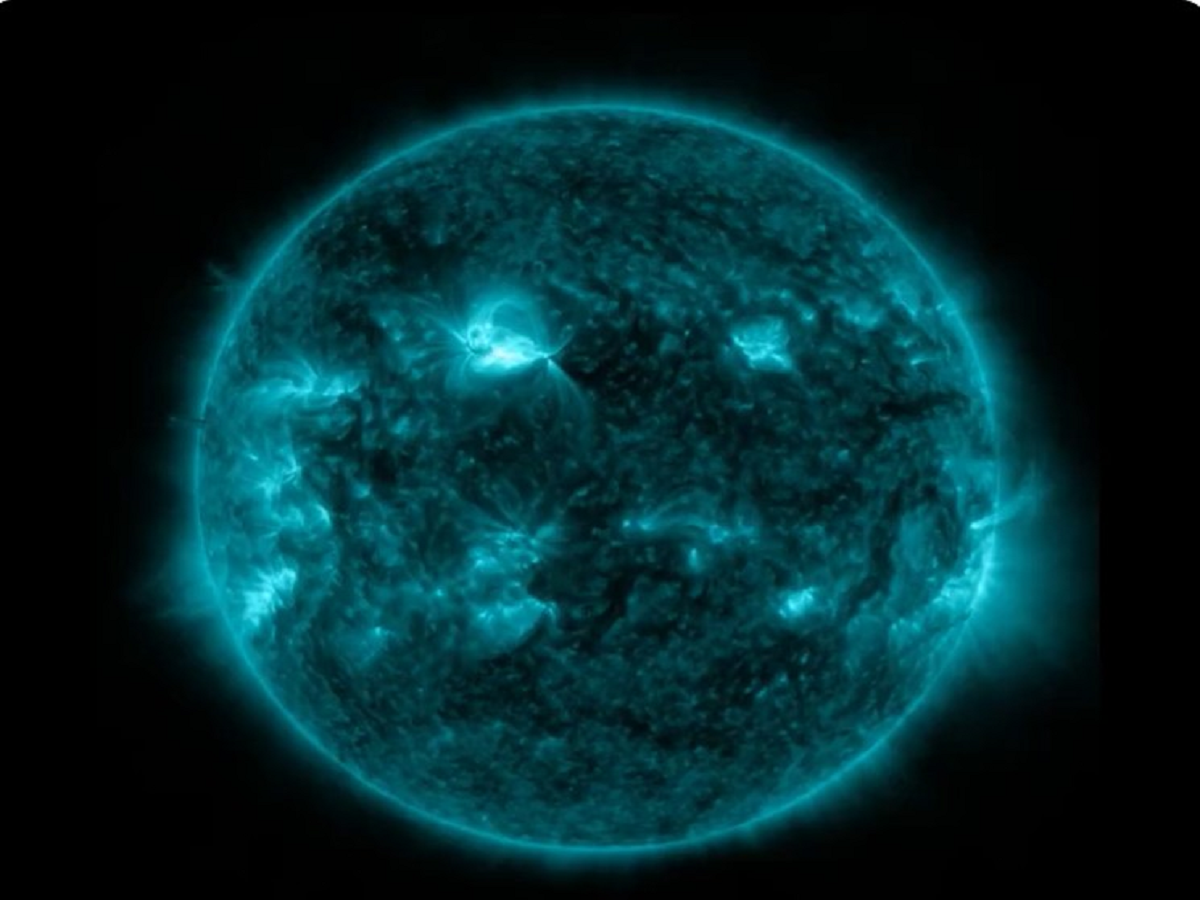
India's Aditya-L1 mission takes the lead
India's first solar observatory, Aditya-L1, is playing a key role in monitoring this storm. Located at the L1 Lagrange point, this mission provides real-time data, allowing ISRO to issue early warnings.
On February 1, Finance Minister Nirmala Sitharaman announced the National Large Solar Telescope (NLST), which will cost Rs 1,000 crore.
It will be built in Merak, Ladakh, and will be ready in five years. The NLST will advance understanding of solar flares and space weather.
There are currently no major threats, but the solar system remains unstable. Scientists are on high alert.