In today's fast-paced digital world, having the right government documents is just as important as having a bank account or a mobile phone. Whether you are applying for a government scheme, opening a bank account, enrolling in a school, or purchasing property, proper documentation can save time and prevent unnecessary delays.
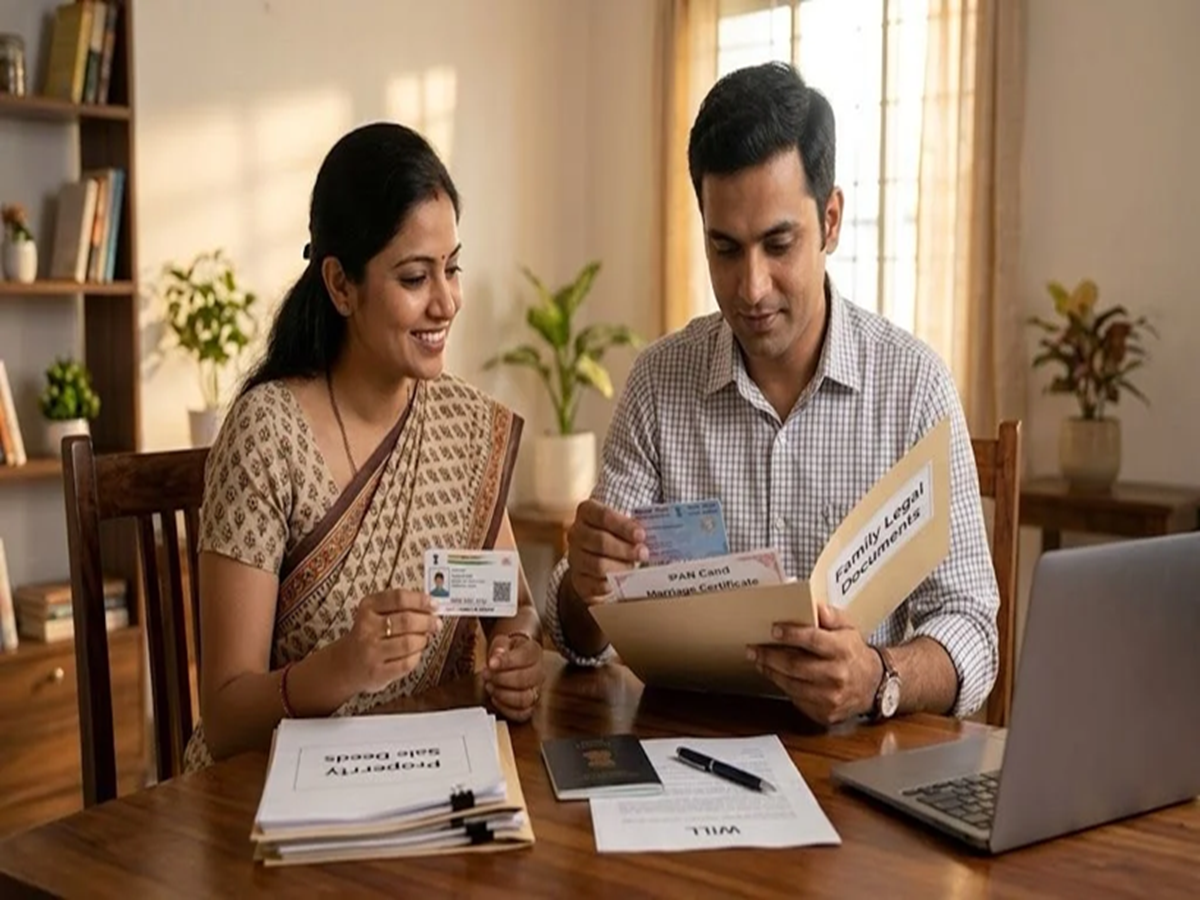
Every household should maintain a secure file containing important government documents for each family member. Here's a list of the ten most essential documents every Indian family should keep ready.
1. Aadhaar Card
The Aadhaar card serves as a widely accepted proof of identity and address. It is commonly used for banking services, government welfare programs, SIM card verification, and various public and private services. Ensure that the details on your Aadhaar remain accurate and updated.
2. PAN Card
A Permanent Account Number (PAN) is essential for income tax filing, opening certain financial accounts, investing, and completing many high-value financial transactions. Adults who earn income or engage in financial activities should have a PAN card.
3. Voter ID Card
The Voter ID card enables eligible citizens to vote in elections and also serves as an official identity document. Citizens who are eligible to vote should ensure they are registered and that their details are correct.
4. Birth Certificate
A birth certificate is one of the first legal identity documents issued to a person. It is often required for school admissions, passport applications, and various government services throughout life.
5. Passport
Even if you do not travel internationally, a passport is a valuable government-issued identity document. It is accepted for numerous verification purposes and may be useful in unexpected situations.
6. Driving Licence
For anyone who drives a motor vehicle, a valid driving licence is mandatory. It also serves as an accepted photo identity document in many situations.
7. Ration Card
Families eligible for public distribution benefits should ensure their ration card details are correct. It can also serve as proof of residence and family composition in certain cases.
8. Bank Passbook or Account Details
Maintaining updated bank account information is important for receiving salaries, pensions, scholarships, and direct benefit transfers where applicable. Keep account details readily available for official purposes.
9. Educational Certificates
Store original educational certificates and mark sheets safely. These documents are frequently required for higher education, employment, competitive examinations, and professional licensing.
10. Property and Insurance Documents
If your family owns property or holds insurance policies, preserve all related documents in a secure place. These records may be required for legal, financial, or inheritance purposes.
Why Organizing Documents Matters
Keeping important documents organized offers several benefits:
- Faster completion of government applications.
- Easier access during emergencies.
- Reduced risk of losing valuable records.
- Smoother verification processes.
- Better preparation for financial and legal matters.
Tips for Safe Document Management
- Keep original documents in a waterproof and fire-resistant folder or locker.
- Maintain clear photocopies for routine use.
- Store scanned digital copies securely with password protection.
- Review documents periodically to ensure they are accurate and up to date.
- Avoid sharing sensitive personal information unless it is genuinely required.
Create a Family Document Checklist
Every family should periodically verify that they have:
- Identity documents for all members.
- Financial documents.
- Educational records.
- Property-related papers.
- Health insurance and medical records.
- Emergency contact information.
A simple annual review can help ensure that important records remain complete and current.
Conclusion
Proper documentation is an essential part of managing everyday life. By keeping important government documents organized, updated, and secure, families can avoid unnecessary stress and be better prepared for routine tasks as well as unexpected situations. Spending a little time organizing these records today can save significant effort in the future.